

The research, led by CENIEH, focuses on level TD10.2 of this Burgos site, where more than 10,000 lithic artefacts have been studied. These were manufactured almost exclusively from local chert and are associated with the remains of more than 60 bison
The Centro Nacional de Investigación sobre la Evolución Humana (CENIEH) leads a paper published in the journal Quaternary International that reveals a distinctive technological behaviour at level TD10.2-BB of Gran Dolina (Atapuerca, Burgos), characterised by the almost exclusive use of local chert and linked to one of the earliest pieces of evidence of communal hunting in the human evolutionary record, dated to around 400,000 years ago.
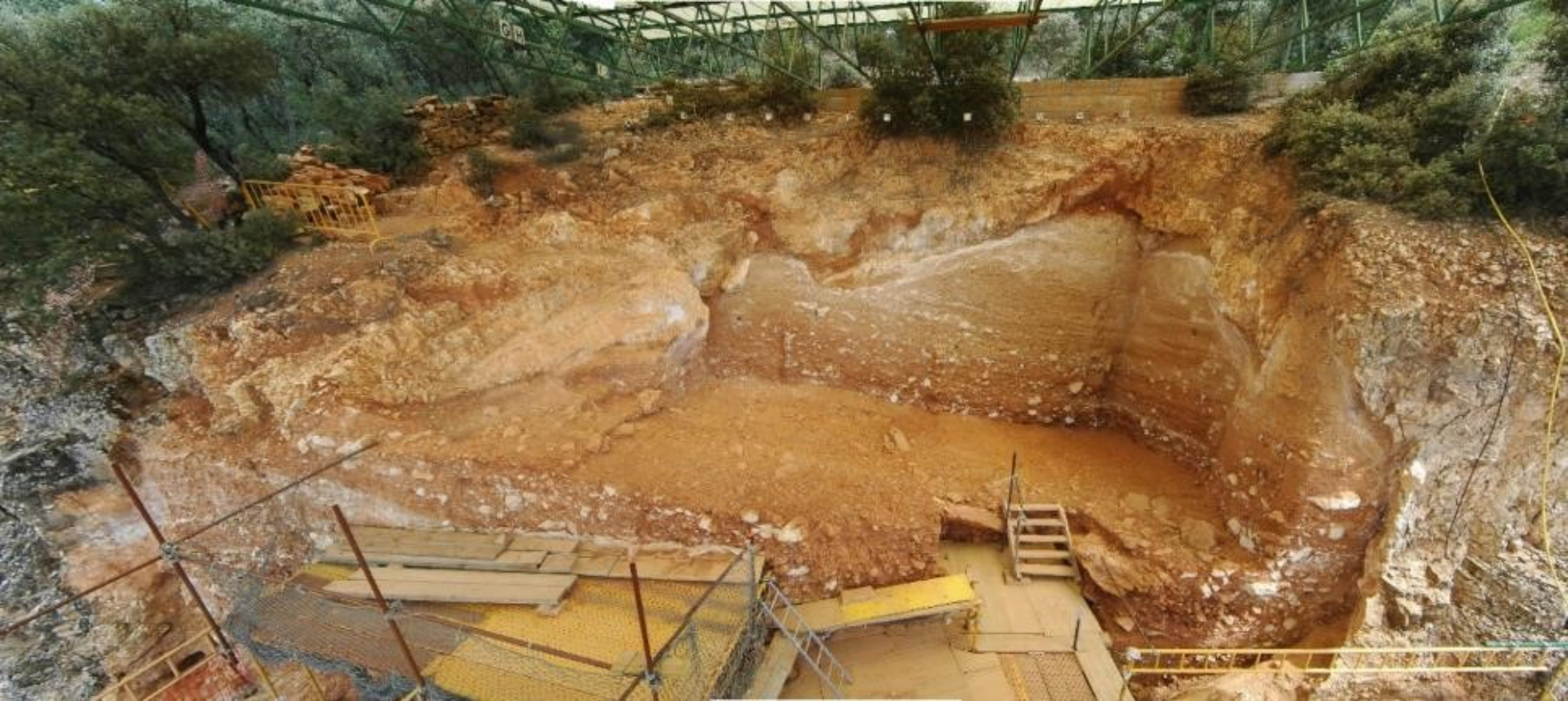
The research, led by Andion Arteaga Brieba, a researcher at CENIEH, in collaboration with IPHES and the Universitat Rovira i Virgili (Tarragona), focuses on this level of the Atapuerca site, where an intensive occupation associated with bison hunting and processing has been documented.
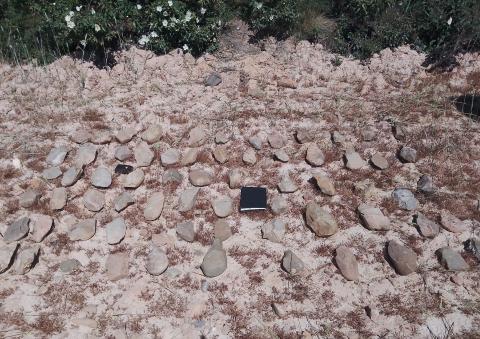
“Level TD10.2-BB of Gran Dolina represents the earliest evidence of communal hunting in the human evolutionary record. The archaeological assemblage contains the remains of the slaughter and processing of more than 60 bison, documenting an organised hunting activity that required complex strategies and large-scale group coordination,” explains Arteaga-Brieba.
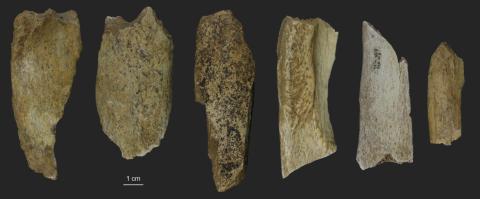
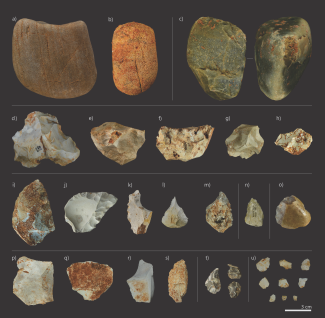
Associated with these faunal remains, the team has analysed more than 10,000 lithic artefacts, identifying a clear preference for the use of local chert, which accounts for almost 99% of the assemblage. This behaviour has no parallels in other Pleistocene sites in the Sierra de Atapuerca, where a greater diversity of raw materials is typically observed.
Planning and complex social organisation
The singularity of this pattern is particularly significant given that the Sierra de Atapuerca offers a rich and diverse lithological environment, with the availability of chert, quartzite, sandstone, and quartz within a radius of less than five kilometres. However, at TD10.2-BB, an almost exclusive selection of chert is observed, which cannot be explained solely in terms of availability or the physical and mechanical properties of the materials.
The authors interpret this behaviour as the result of a shift in raw material procurement areas, from fluvial terraces to the higher zones of the Sierra, directly linked to the dynamics of communal hunting. In this context, the acquisition of lithic resources would have been closely integrated into subsistence activities.
The evidence indicates that human groups transported and produced tools strategically, adapting their technological decisions to the specific needs of hunting and butchering tasks. This pattern reinforces the idea that Middle Pleistocene hominins developed organised behaviours, with capacities for planning, anticipation, and cooperation, particularly in large-scale hunting contexts.
“Overall, the study highlights the close relationship between technology, subsistence, and social organisation in human populations 400,000 years ago, contributing to a better understanding of the decision-making processes underlying raw material selection in the archaeological record,” concludes Andion Arteaga Brieba.