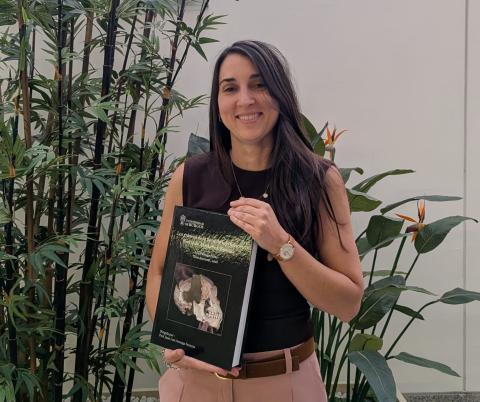


The CENIEH participates in a study applying Zooarchaeology by Mass Spectrometry (ZooMS) to identify highly fragmented bone remains and refine the reconstruction of Neanderthal and Homo sapiens diets in the northwestern Iberian Peninsula during the Middle and Upper Paleolithic
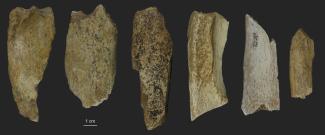
The Centro Nacional de Investigación sobre la Evolución Humana (CENIEH) has taken part in a study published in the International Journal of Osteoarchaeology that provides new insights into subsistence strategies during the Middle to Upper Paleolithic at the site of Cova Eirós (Cancelo, Triacastela, Lugo). The research applies a collagen-based approach to improve the taxonomic identification of faunal remains.
Led by Hugo Bal García, from the Grupo de Estudos para a Prehistoria do Noroeste – Arqueoloxía, Antigüidade e Territorio (GEPN-AAT) of the Universidad de Santiago de Compostela and the Centro de Investigación Interuniversitario das Paisaxes Atlánticas e Culturais (CISPAC), the study applies ZooMS (Zooarchaeology by Mass Spectrometry) to the indeterminate fraction of the assemblage, enabling large-scale taxonomic identification of faunal remains associated with Neanderthal and Anatomically Modern Human (AMH) occupations.
This technique is based on the analysis of collagen peptide mass fingerprints preserved in bone and their comparison with reference databases. It allows the identification of highly fragmented remains that cannot be assigned taxonomically through traditional morphological approaches, which has historically biased faunal interpretations at the site.
Over 8,00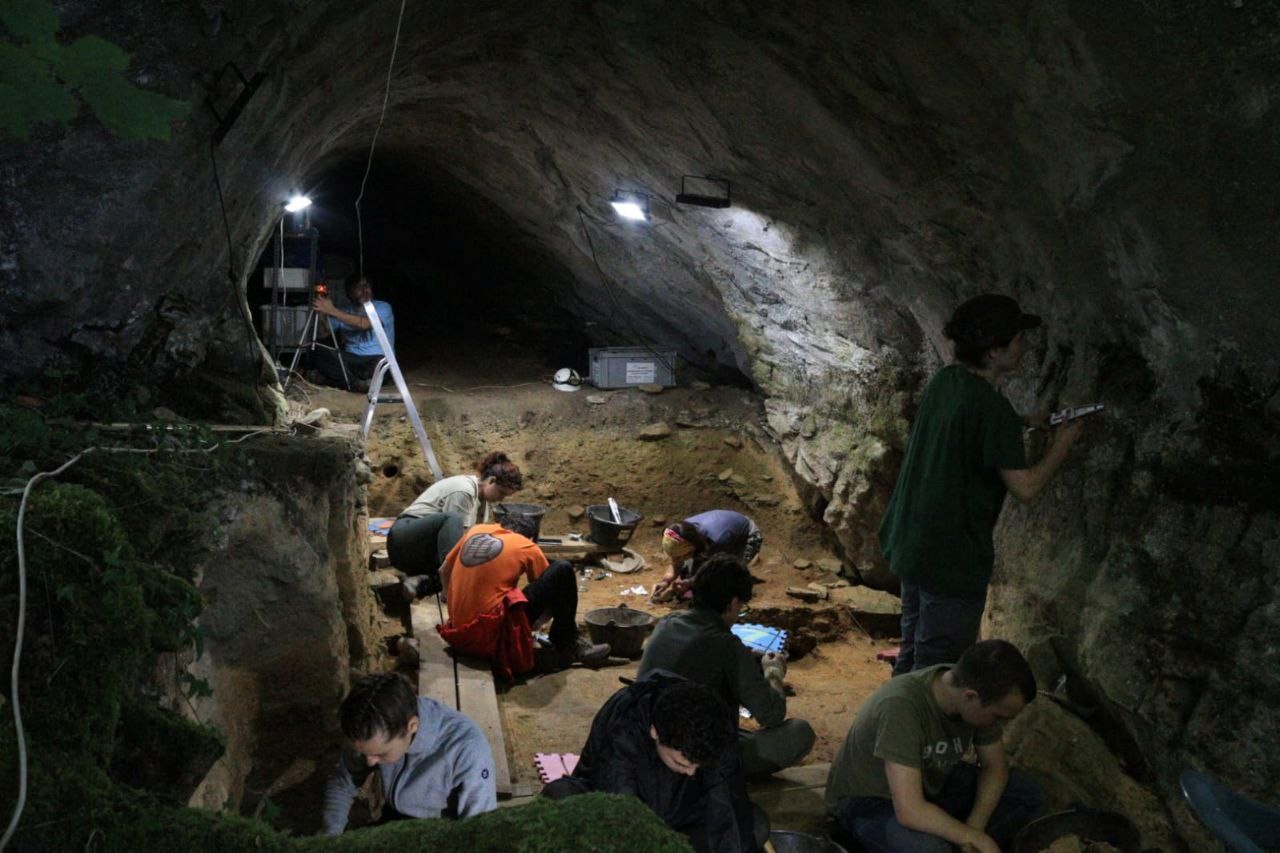 0 faunal remains analyzed
The application of ZooMS to 114 previously indeterminate bone fragments has enabled their taxonomic classification and integration with the morphological study of more than 8,000 faunal remains from the site. This combined approach refines the interpretation of the archaeological assemblage and its subsistence implications.
The results indicate a more diversified subsistence strategy than previously suggested. In particular, the ZooMS data reveal a lower relative representation of cave bears (Ursus spelaeus), previously overestimated due to the abundance of deciduous teeth, and a greater presence of large ungulates than identified through conventional methods.
Furthermore, the inclusion of remains bearing clear anthropogenic modifications reduces the apparent dominance of red deer (Cervus elaphus), pointing to a broader spectrum of exploited resources and a more complex subsistence behavior among hunter-gatherer groups.
ZooMS data reveal a lower relative representation of cave bears, previously overestimated due to the abundance of deciduous teet
The study also highlights how the intensive processing of herbivores contributed to the fragmentation of their remains, generating a bias in the archaeological record and increasing the proportion of indeterminate bone fragments relative to other taxa.
The article includes contributions from Samantha Brown (CENIEH), Iván Rey Rodríguez (Universidad de Vigo–IPHES), Mikel Díaz Rodríguez (Universidad de Vigo–CISPAC), Carlos Fernández Rodríguez (Universidad de León), Álvaro Ibáñez Encinas (Universidad de Santiago de Compostela–IPHES), Arturo de Lombera Hermida (Universidad de Oviedo–CISPAC), Tania Mosquera Castro (Universidad de Santiago de Compostela–CISPAC), Xosé Pedro Rodríguez Álvarez (Universitat Rovira i Virgili–IPHES), and Ramón Fábregas Valcarce (Universidad de Santiago de Compostela–CISPAC).
This research is part of the project Dinámicas poblacionales y tecnológicas durante el Pleistoceno final-Holoceno de las Sierras Orientales del Noroeste Ibérico 2 – Generación de Conocimiento 2022 (PID2022-142337NB-I00), funded by the Ministerio de Ciencia, Innovación y Universidades (MICIU/AEI/10.13039/501100011033) and FEDER funds “Una manera de hacer Europa”. Archaeological excavations at the Cova Eirós site are funded by the Consellería de Cultura, Lingua e Xuventude.