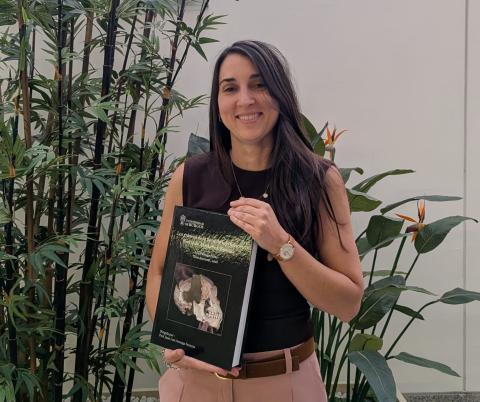


CENIEH is part of an international team that has published a paper proposing new perspectives on Acheulean variability and advancing more integrative frameworks for understanding the technological and cultural evolution of early human groups
The Centro Nacional de Investigación sobre la Evolución Humana (CENIEH) is part of an international team that has published a paper in the journal Evolutionary Anthropology examining the definition and diversity of the Acheulean, one of the most significant and long-lasting technological complexes in human evolution. The authors highlight the need to move beyond traditional typological approaches toward more integrative frameworks that better account for the variability of early human technologies.
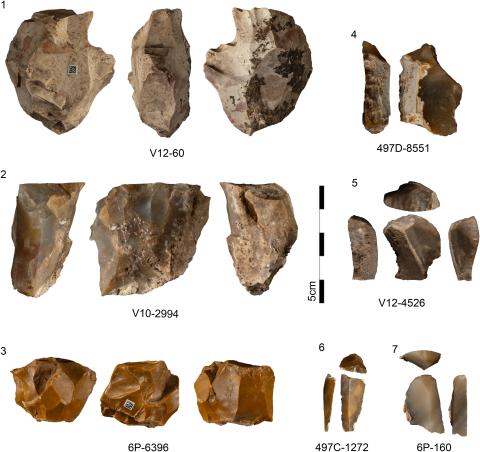
The Acheulean represents the longest-lasting cultural phenomenon currently recognized in the archaeological record, spanning more than 1.75 million years, from its origins in Africa to its dispersal across Eurasia. Despite more than 150 years of research, its definition and interpretation remain a matter of ongoing debate.
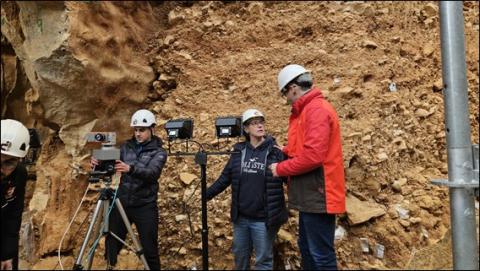
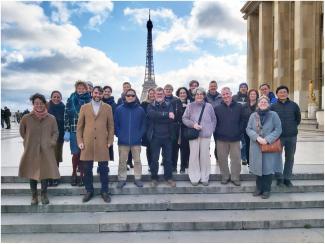
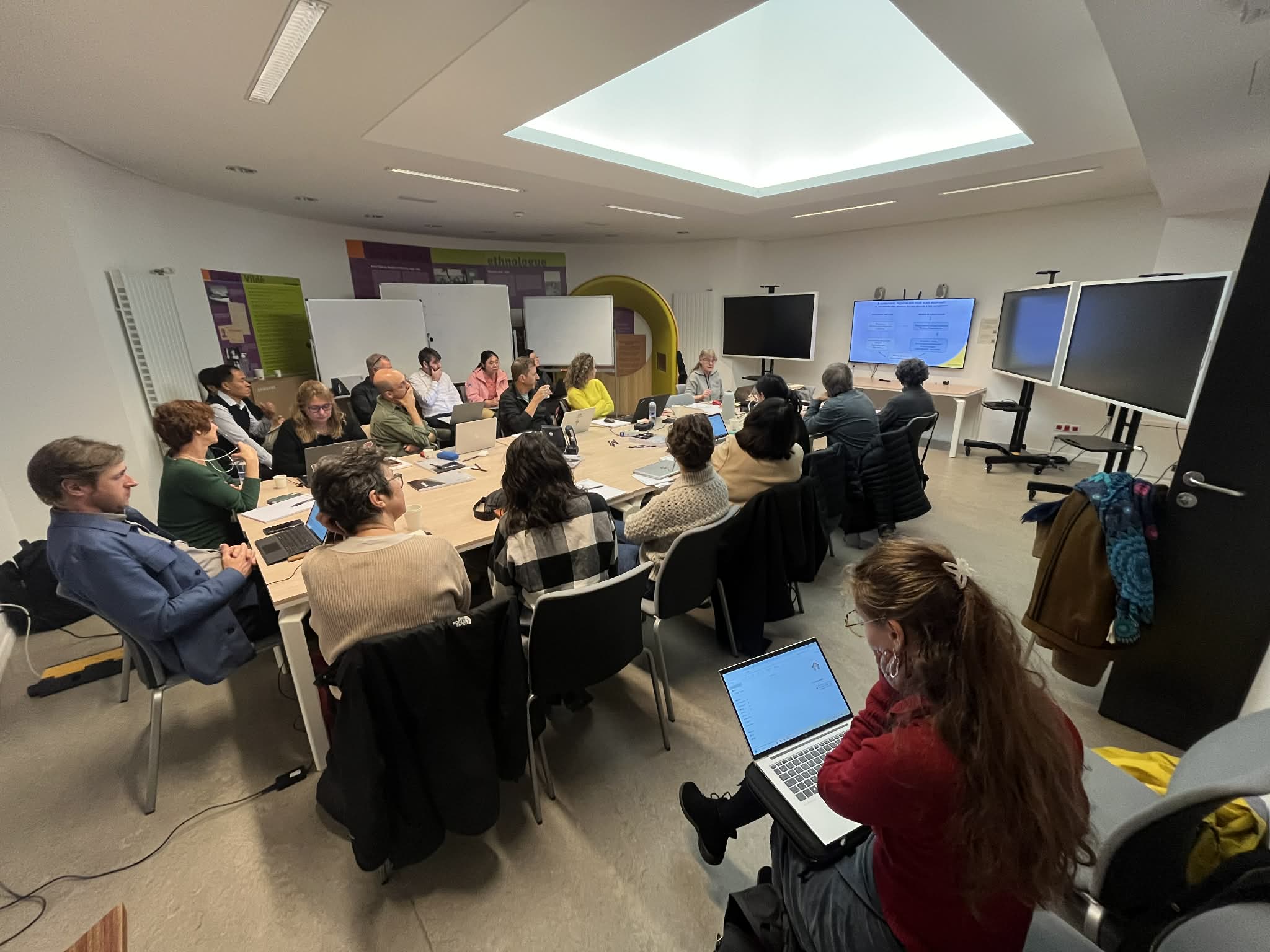
The paper, entitled “What is the Acheulean?”, stems from a scientific meeting held in November 2025 at the Musée de l’Homme in Paris (France). The meeting brought together around twenty specialists in prehistory and human evolution within the framework of the European Lateurope ERC Project, funded by the European Research Council (ERC).
The primary objective of the meeting was to discuss how the Acheulean is defined across different regions and what it implies in terms of behavior, technology, and human evolution. The participants agreed that there is no single, universally applicable definition, but rather a range of interpretations shaped by diverse geographical and chronological contexts.
The study emphasizes the marked regional variability of the Acheulean in Africa, Asia, and Europe, as well as the difficulties in linking it to specific hominin taxa. This complexity reflects the dynamic, cumulative nature of human cultural evolution.
“The Acheulean should be understood as a diverse techno-complex, characterized not only by the presence of handaxes, but also by a broader range of technological and social behaviors, including standardized tool production, technical planning, and the diversified use of raw materials,” says CENIEH researcher Paula García Medrano.