

A study by the CENIEH shows how the human groups that occupied this French site 400,000 years ago combined diverse knapping methods with early innovations that transformed their way of life and their technology
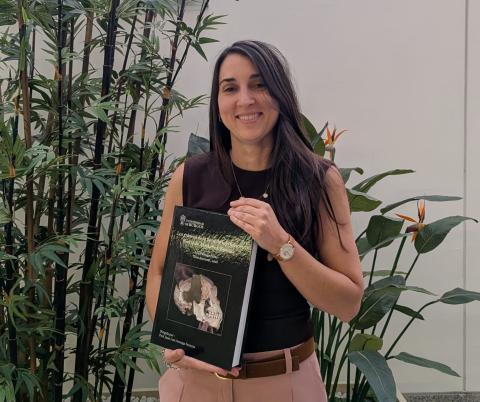
Archaeologist Paula García Medrano, researcher at the Centro Nacional de Investigación sobre la Evolución Humana (CENIEH), has just published in Journal of Paleolithic Archaeology ua study on the lithic industry from the Paleolithic site of Terra Amata (Niza, Francia), one of the key locations in western Europe for understanding the evolution of human behaviour 400,000 years ago.
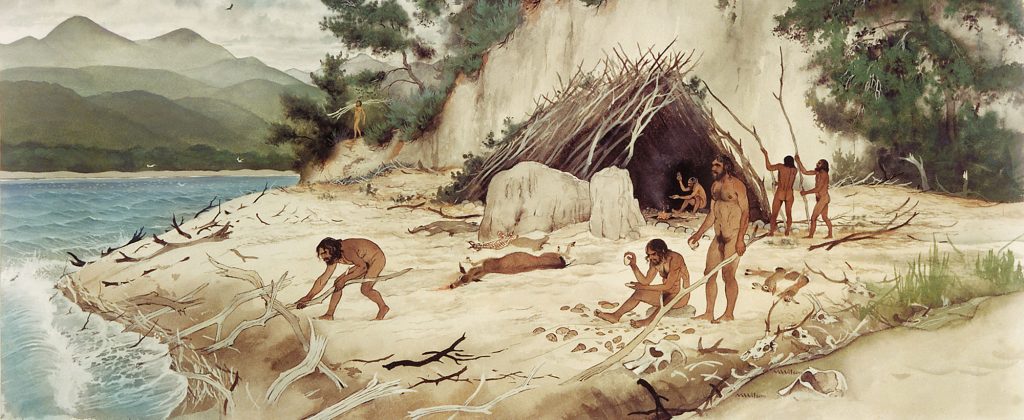
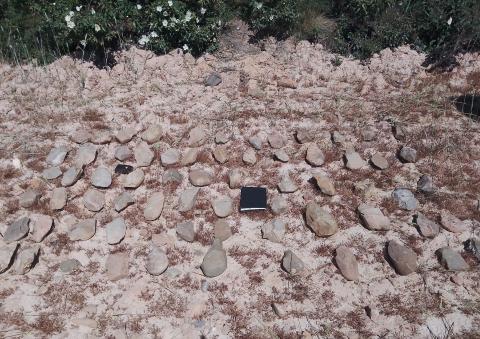
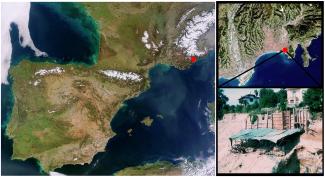
This coastal site, located next to a delta in a marshy environment and occupied seasonally and repeatedly by human groups, is known for evidence of fire use, hut construction, and the transport of raw materials from places located about 40 kilometres away, despite the abundance of suitable lithic resources at the site itself.
This coastal site, located next to a delta in a marshy environment and occupied seasonally and repeatedly by human groups, is known for evidence of fire use, hut construction, and the transport of raw materials from places locat ed about 40 kilometres away, despite the abundance of suitable lithic resources at the site itself.
“These indications reveal a notable degree of organisation and territorial mobility and have made Terra Amata a reference site for understanding human occupation in Europe,” explains Paula García Medrano.
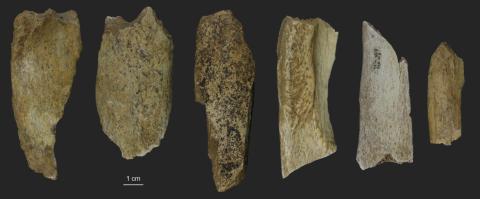
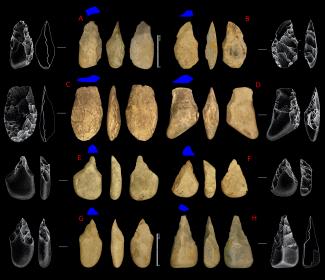
The technological and morphometric study of the lithic remains presented here shows that most of the tools were produced from local limestone cobbles, following simple knapping strategies and short reduction sequences, adapted to the natural shape of the cobbles.
However, this apparent simplicity also incorporates important innovations, such as structured centripetal flaking, platform preparation, and hierarchical core organisation. “These are incipient features that anticipate the later Levallois tradition,” notes Paula García Medrano.
These findings reinforce the idea of a cultural mosaic in western Europe during the Middle Pleistocene, where different human groups were beginning to diversify their technical strategies, subsistence behaviours, and territorial management, adapting intelligently to their surroundings.
“We can state that the Terra Amata site is confirmed as a fundamental location for understanding the evolution of technology and the adaptation to new daily-life needs of the first humans in Europe,” concludes García Medrano.